


Saving money becomes easier when you target the decisions that repeat rather than relying on occasional heroic restraint. Small habits matter because they affect dozens of purchases each month.

One useful rule for non-essential purchases is to wait. Give yourself 24 or 48 hours before buying something that caught your attention online or in a shop. The delay removes some of the emotional pressure created by sales, limited-time offers and recommendation feeds. If you still want it later and it fits the budget, buy it deliberately.
Look at the price you will actually pay, not the size of the discount. A jacket reduced from 300 to 120 does not save you 180 if you did not need a jacket. You spent 120. This simple reframing makes sales easier to judge.
Track recurring expenses. Subscriptions, app plans, cloud storage, delivery memberships and automatic renewals are easy to ignore because each payment seems small. Review them every few months and cancel services that you would not choose again today.

Food spending often improves with basic planning. Check what is already at home before shopping, make a rough meal plan and use perishable ingredients first. Buying discounted food that later goes into the bin is not economy.
Compare unit prices rather than package prices when sizes differ. The larger option is not automatically cheaper, and bulk buying only works if you will actually use the product.
Separate convenience from habit. Paying for delivery after an unusually long day may be worthwhile. Ordering delivery because opening the refrigerator feels mildly inconvenient is a different decision. The goal is not to eliminate convenience, but to spend on it consciously.
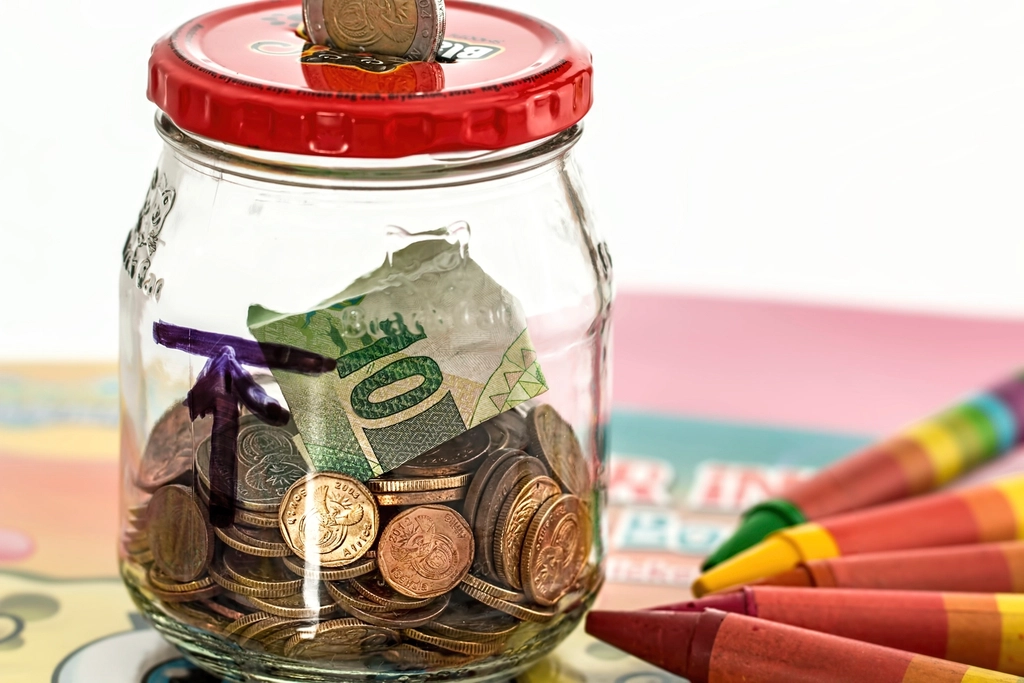
Automate saving when possible. Moving a fixed amount to a separate account immediately after income arrives removes the need to make the same decision every month. Even a modest automatic transfer can build a useful buffer over time.
Good saving should not make everyday life miserable. Keep money for things you genuinely value and reduce the spending you barely notice. A budget works better when it reflects priorities instead of functioning as a list of punishments.