
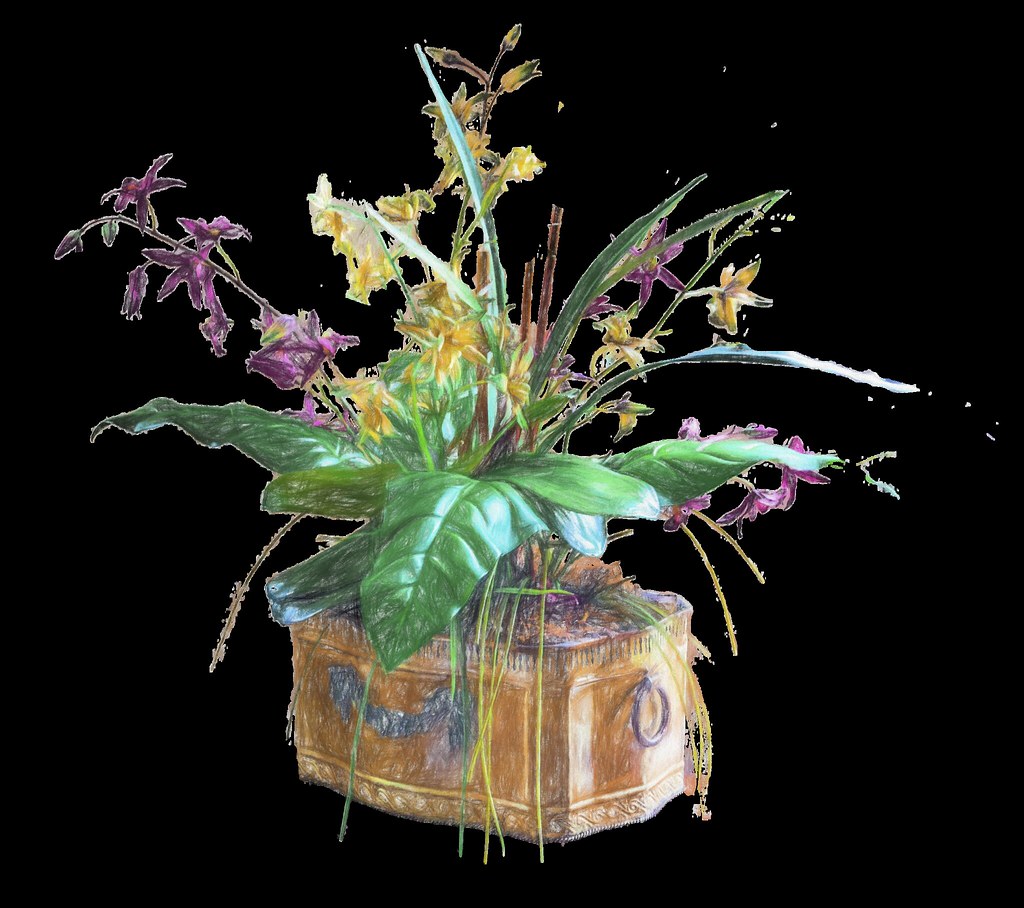

Healthy houseplants usually depend on a few boring fundamentals rather than special tricks. Light, water, drainage and the right pot matter far more than constantly buying new fertilizers or gadgets.
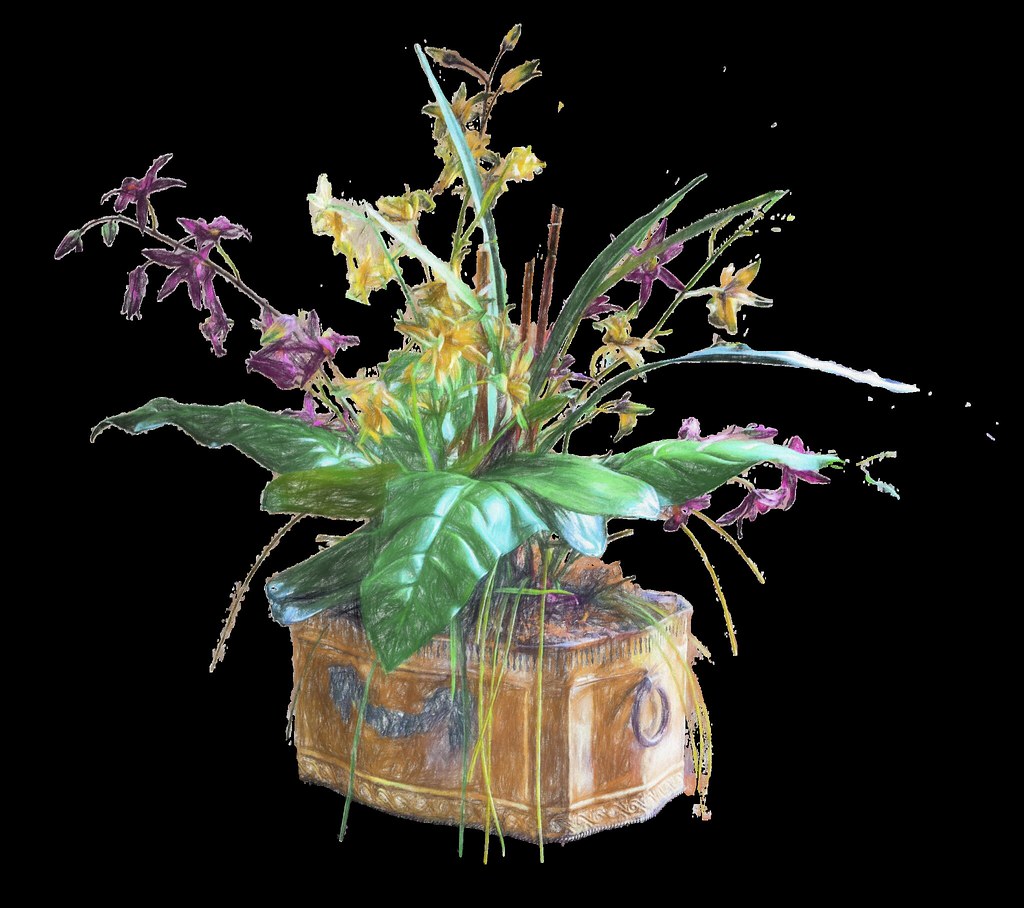
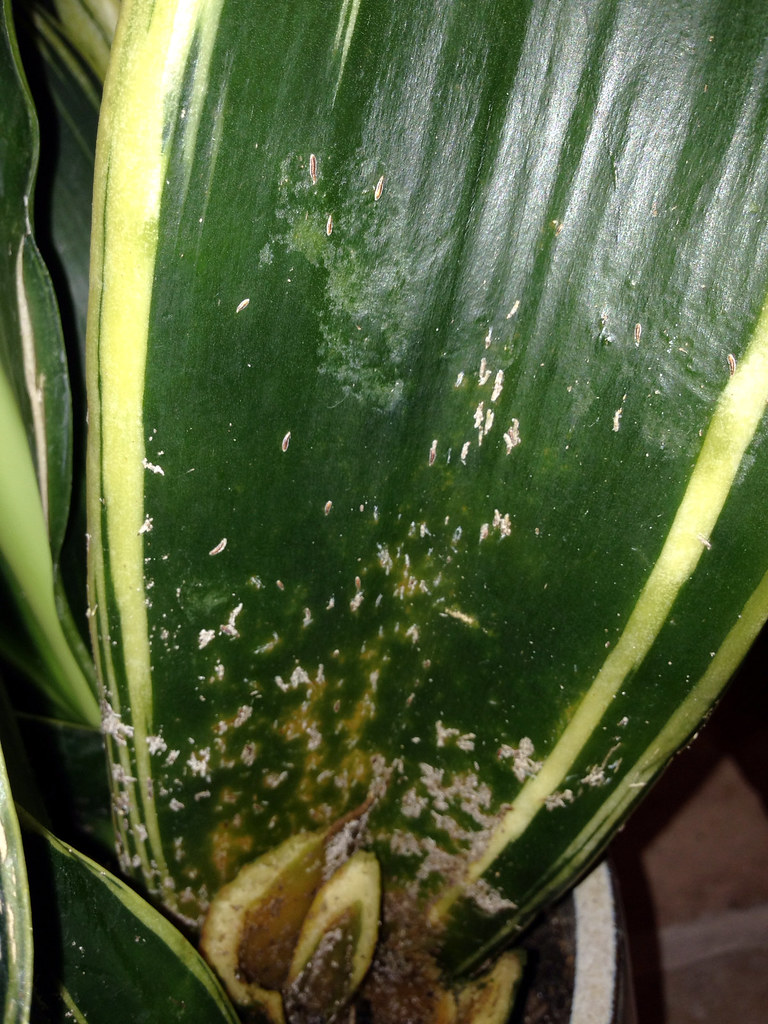
When choosing a plant, inspect it carefully. Look under leaves and around stems for insects, webbing, spots, rot or damaged growth. Check the soil surface as well. Bringing one infested plant home can create a problem for every plant nearby.
Learn the light in your room before choosing a permanent location. A bright windowsill and a dark corner may be only a few meters apart but provide very different conditions. Some plants tolerate shade; others become weak and stretched without enough light. Direct midday sun can also burn species that prefer filtered light.
Do not water on a rigid calendar. The soil dries at different speeds depending on temperature, season, pot size, humidity and the plant itself. Check the soil with a finger and learn what “ready for water” feels like for that species. Overwatering is especially dangerous when a pot has poor drainage.
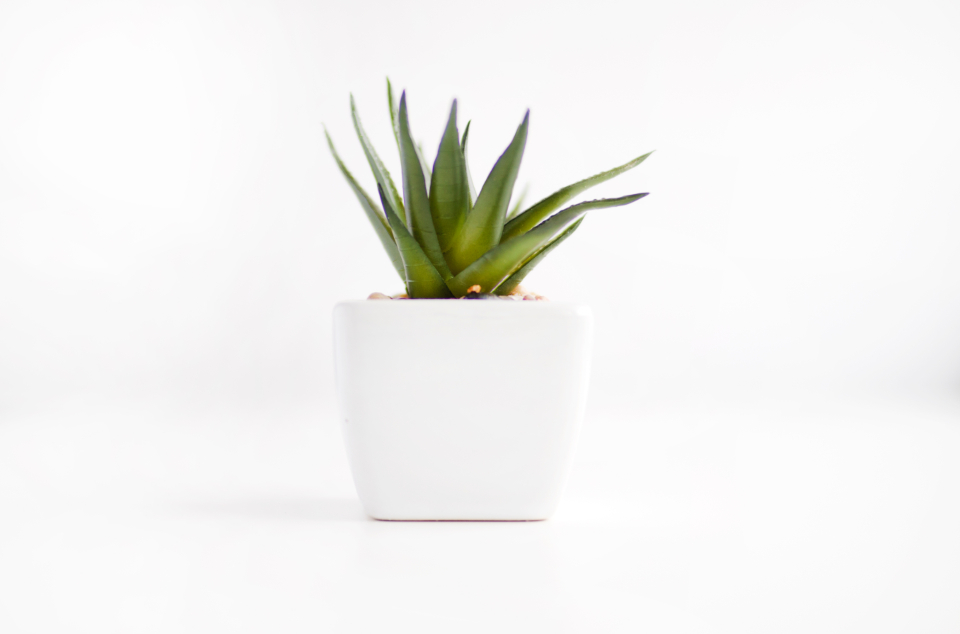
Use pots with drainage holes whenever possible. Water should be able to move through the soil rather than collect around the roots. If a decorative outer pot has no hole, keep the plant in a smaller nursery pot inside it and empty excess water after watering.
Repot only when there is a reason. Roots circling tightly around the pot, water running straight through compacted soil, or obviously stalled growth can all be signs that a plant needs more space or fresh substrate. Moving a plant into a dramatically oversized pot can make moisture control harder.
Dust leaves occasionally. A clean leaf receives light more effectively, and wiping also gives you a chance to notice pests early. Avoid polishing products unless they are specifically appropriate for the plant.
Fertilizer is useful during active growth, but more is not better. Follow the product directions and reduce feeding when growth slows. A stressed plant usually needs its basic conditions corrected before it needs extra nutrients.
The best habit is observation. A plant that changes color, drops leaves or stops growing is giving you information. Check light, moisture, drainage and pests before reaching for a complicated solution.