
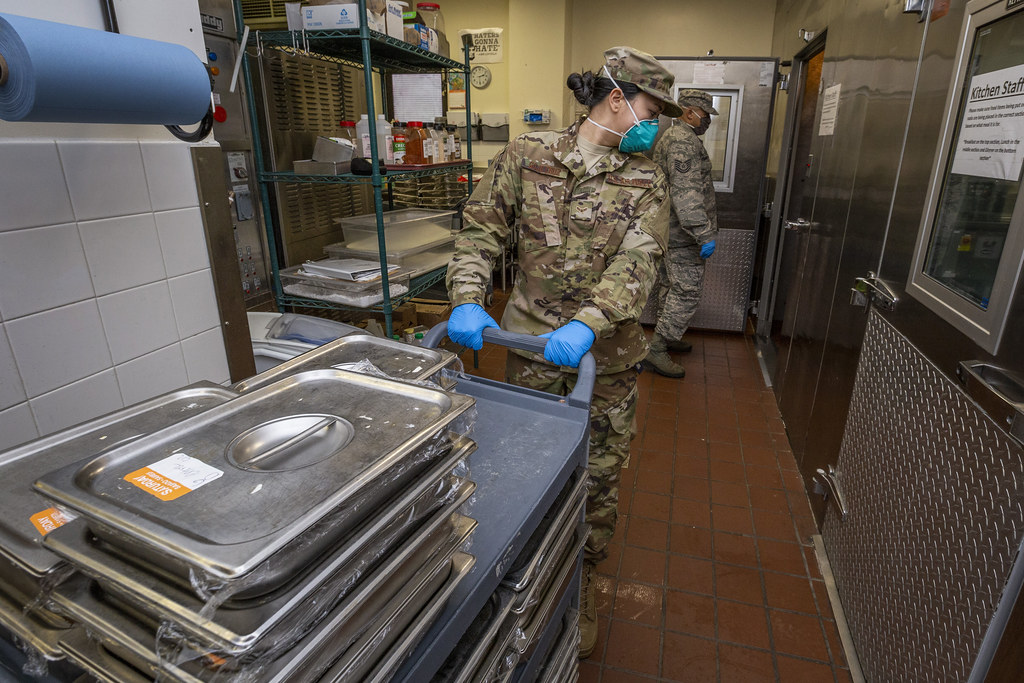

Food storage is not simply a matter of putting everything in the refrigerator. Different products last longer under different conditions, and good organization can prevent both spoilage and forgotten leftovers.
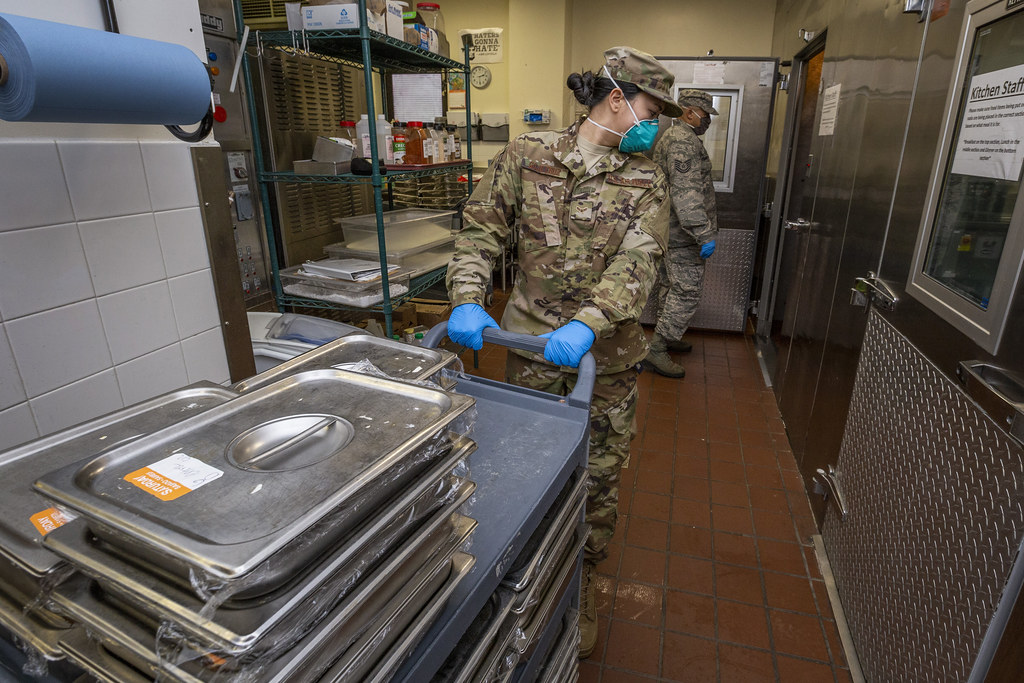
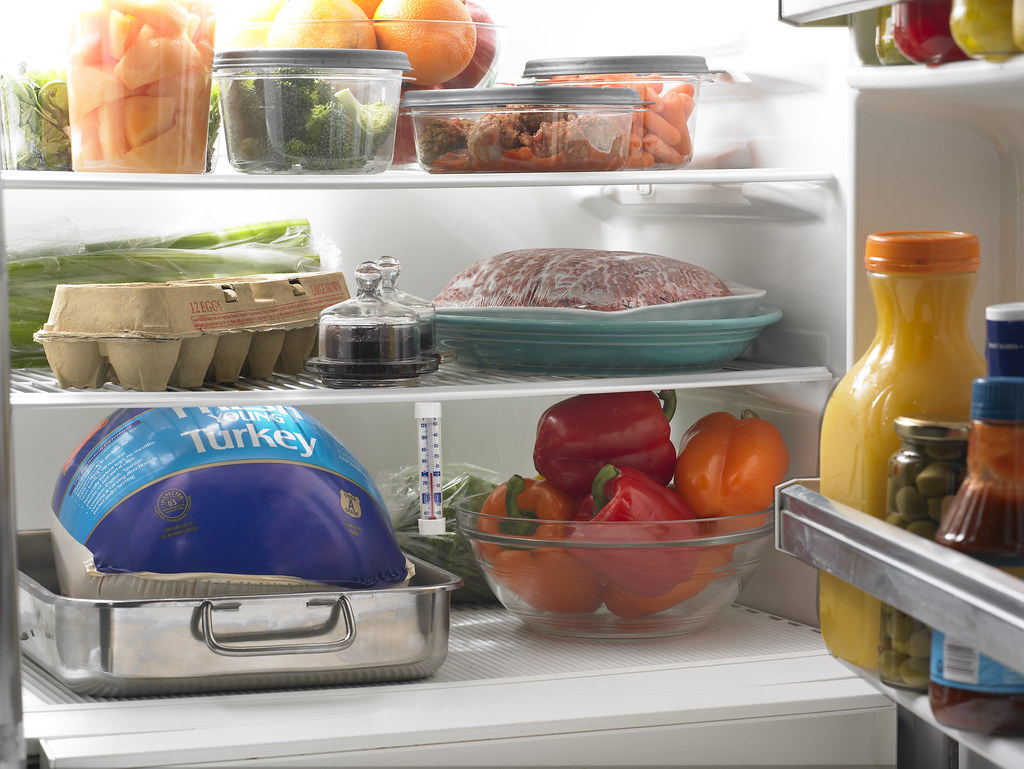
Start by keeping the refrigerator cold and reasonably uncluttered. Cold air needs room to circulate. Store foods that must stay chilled promptly, and keep raw meat or fish contained so that juices cannot drip onto ready-to-eat food.
Use the refrigerator door for products that tolerate small temperature changes rather than the most perishable items. The door warms every time it opens. Shelves farther inside maintain a more stable temperature.
Vegetables and fruit often benefit from separate drawers because moisture requirements differ. Some produce lasts better with higher humidity, while other items deteriorate faster when moisture is trapped. Do not wash berries or delicate produce long before you plan to eat them unless you can dry them thoroughly; extra surface moisture encourages spoilage.
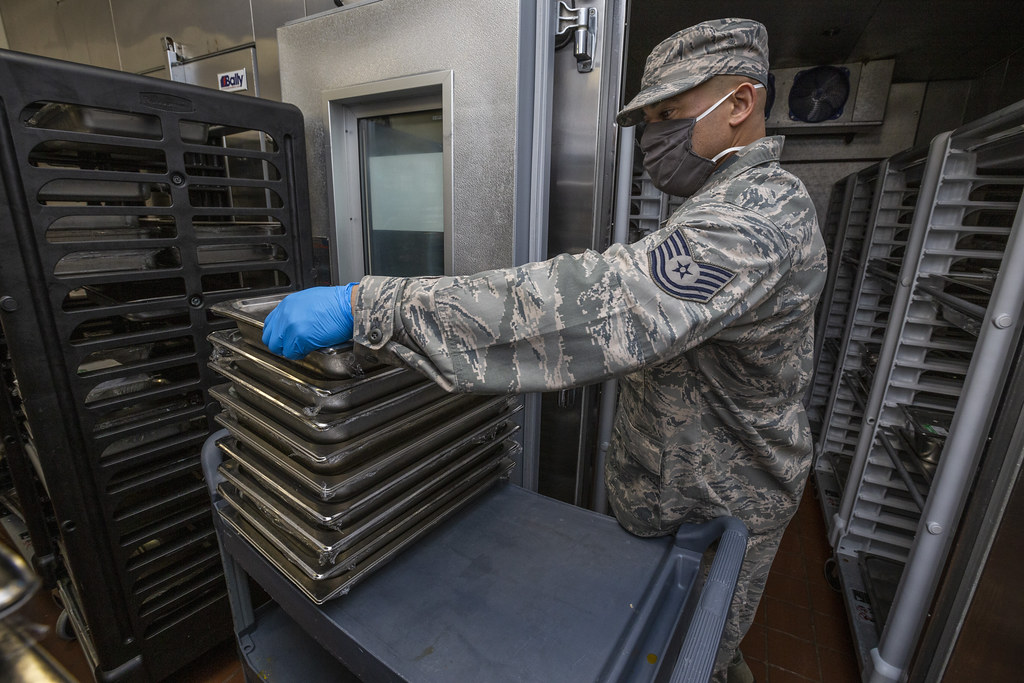
Some foods do better outside the refrigerator. Potatoes and onions prefer a cool, dark, ventilated place, and they should generally be stored separately. Bread can be kept at room temperature for short-term use or frozen if you need it to last longer. The freezer is also useful for sliced bread, cooked meals and ingredients that you will not use before they spoil.
Label leftovers and opened containers with the date. Memory is unreliable, especially when several similar boxes accumulate. Transparent containers help because you can see what needs to be eaten.
Organize shelves using a simple “first in, first out” rule. Put older products in front and newer purchases behind them. Before shopping, check the refrigerator, freezer and cupboards so that you do not buy duplicates.
Avoid treating a best-before date as the same thing as a strict safety deadline in every case; labeling systems differ by product and country. At the same time, perishable foods with use-by dates or signs of spoilage deserve caution. When in doubt about food safety, follow local official guidance rather than a social-media trick.
The cheapest food is the food you actually eat. Better storage is therefore less about creating a perfectly arranged refrigerator and more about making perishable food visible, accessible and easy to use in time.