
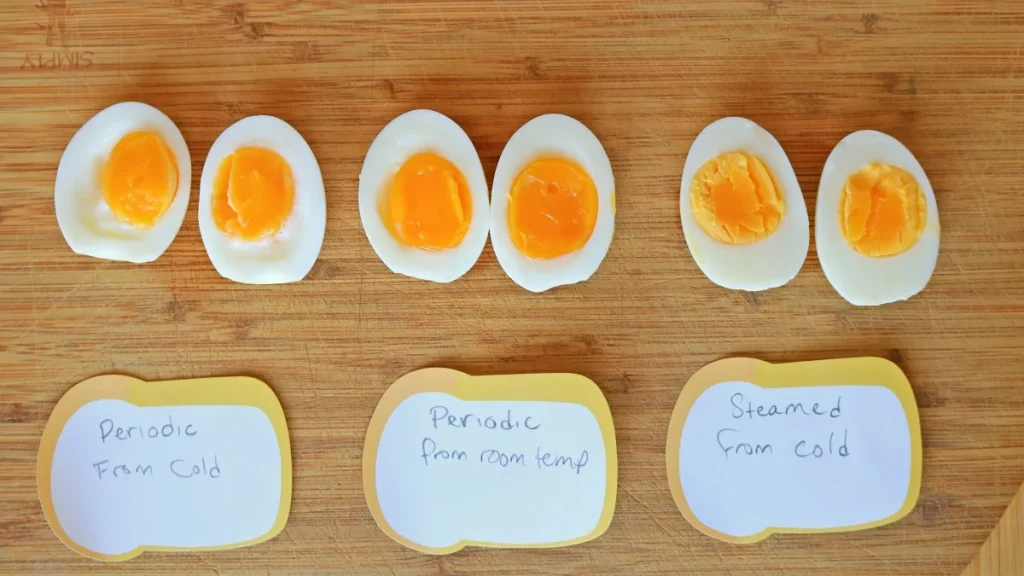

Eggs are one of the most useful foods in a kitchen. They are affordable, quick to cook, rich in protein, and adaptable enough to work at breakfast, lunch, dinner, or as part of a snack. They also attract a surprising amount of nutrition mythology. One decade they are treated as a perfect food, the next as a cholesterol disaster, and then as a fitness staple again.
Current nutrition guidance is less dramatic. For most people, eggs can fit comfortably into a balanced diet. The bigger picture matters: what you cook them with, what you eat beside them, how much saturated fat your overall diet contains, and whether the eggs are handled safely. Here are seven sensible ways to eat eggs, followed by seven habits that create unnecessary nutritional or food-safety problems.
Smart way 1: Pair eggs with vegetables
An omelet with spinach, mushrooms, tomatoes, peppers, or onions adds fiber, volume, micronutrients, and flavor without requiring heavy sauces. Eggs provide protein and fat; vegetables make the meal more complete.

Smart way 2: Use gentler cooking methods
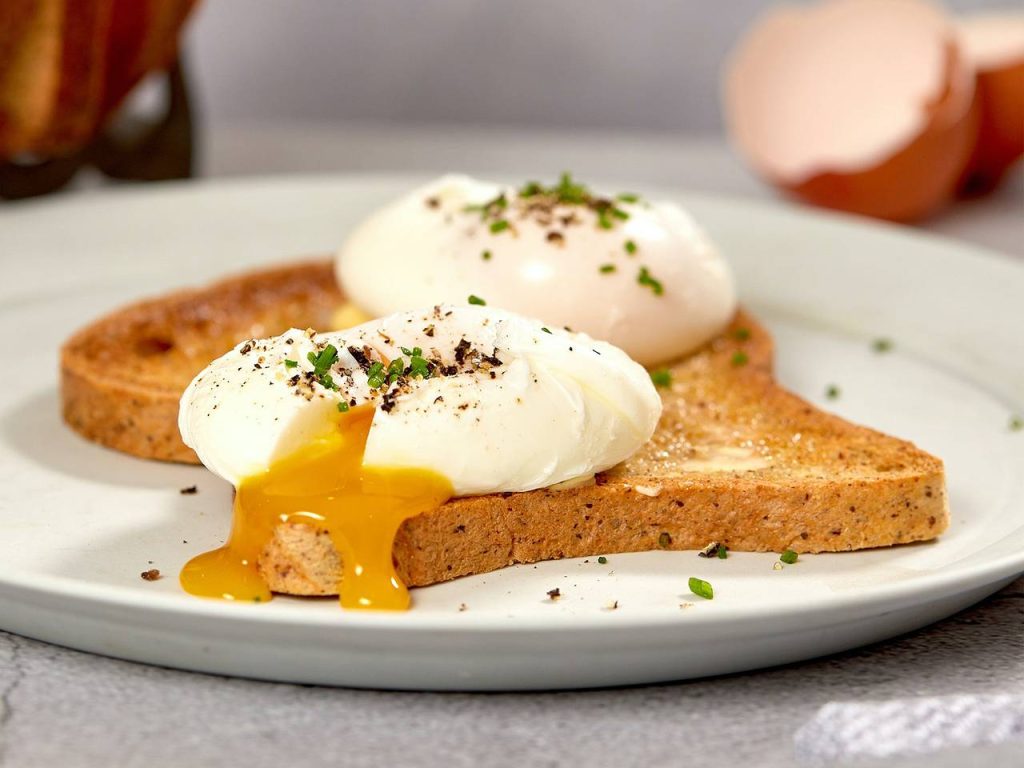
Poaching, boiling, steaming, or scrambling with a modest amount of oil keeps preparation simple. Frying is not automatically unhealthy, but the amount and type of added fat can change the nutritional profile quickly.
Smart way 3: Choose unsaturated fats more often
If you cook eggs in a pan, olive, canola, avocado, or other predominantly unsaturated oils generally fit better into a heart-conscious eating pattern than repeatedly using large amounts of butter, bacon fat, or coconut oil.
Smart way 4: Make the side dishes work harder
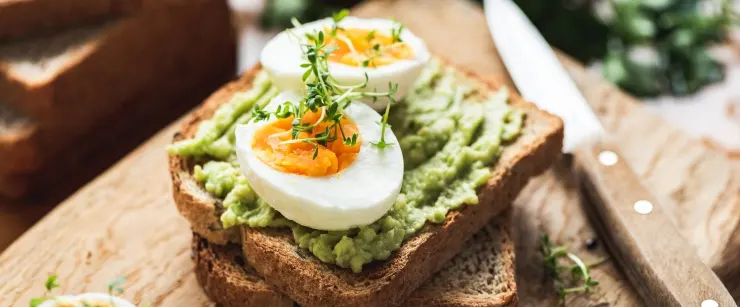
Eggs with whole-grain toast, beans, vegetables, fruit, or a salad create a more balanced meal than eggs surrounded by processed meats, refined bread, and salty fried potatoes every day.
Smart way 5: Use pasteurized eggs for recipes served raw or undercooked
Homemade mayonnaise, Caesar dressing, tiramisu, mousse, and some ice creams can contain raw egg. The FDA recommends using pasteurized shell eggs or pasteurized egg products for preparations that will not be fully cooked.
Smart way 6: Refrigerate and cook them properly
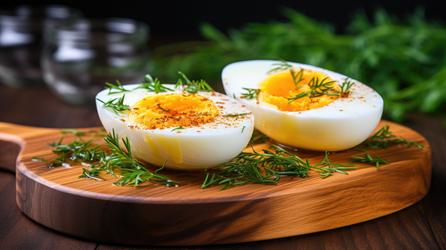
Food safety is not glamorous, but it matters. Store eggs cold, avoid cracked shells, keep raw egg away from other foods, and cook egg dishes thoroughly. Hard-cooked eggs should also return to the refrigerator rather than sitting out for hours.
Smart way 7: Think in dietary patterns, not single ingredients
The American Heart Association’s 2026 guidance emphasizes an overall pattern rich in vegetables, fruits, whole grains, healthy protein sources, unsaturated fats, and minimally processed foods. It also notes that dietary cholesterol is no longer the primary target for cardiovascular risk reduction for most people. That does not mean cholesterol is irrelevant; it means eggs should be judged within the full diet.
Now for the less useful habits
Risky habit 1: Treating raw eggs as a performance supplement
Drinking raw eggs does not unlock special protein benefits, and it creates a Salmonella risk. Cooking also improves the digestibility of egg protein.
Risky habit 2: Assuming “high protein” makes the whole meal healthy
Three eggs served with bacon, sausage, buttered white toast, hash browns, and a sugary drink may be high in protein, but it can also be very high in saturated fat, sodium, and calories.
Risky habit 3: Leaving cooked egg dishes at room temperature for too long
The FDA advises against keeping cooked eggs or egg-containing dishes unrefrigerated for more than two hours, or more than one hour in very hot conditions. Buffet brunches and picnics are common places for this rule to be forgotten.
Risky habit 4: Washing eggs immediately before storage
In places where commercially sold eggs are already cleaned and refrigerated, washing them again can spread bacteria around the sink and kitchen. The more important steps are cold storage, clean hands, and avoiding cross-contamination.
Risky habit 5: Using cracked eggs without thinking about contamination
A cracked shell creates an easier route for bacteria. If an egg is already cracked when you buy it, discard it. If you crack one accidentally at home, transfer it to a clean container, refrigerate it, and use it promptly in a fully cooked dish.
Risky habit 6: Building a very restrictive “egg diet”
Diet plans centered almost entirely on eggs can crowd out fiber-rich foods and create nutritional monotony. Eggs are useful because they fit into many eating patterns, not because they should become the eating pattern.
Risky habit 7: Ignoring your own medical context
People with specific lipid disorders, diabetes, cardiovascular disease, allergies, or individualized nutrition plans may receive advice that differs from general population guidance. If a clinician has given you a specific target, that recommendation should outweigh a generic internet rule.
The bottom line

Eggs are neither a miracle food nor a nutritional villain. They are a compact source of protein and several vitamins and minerals, and they work especially well when combined with vegetables, whole grains, legumes, and unsaturated fats. The risky part usually comes from unsafe handling, excessive added saturated fat, or turning one ingredient into an entire dietary ideology.
A boiled egg with whole-grain toast and fruit, a vegetable omelet, shakshuka with beans, or an egg added to a grain bowl can all be sensible choices. The best egg habit is not searching for the single “healthiest” recipe. It is using eggs as one flexible component of a varied diet while respecting basic food-safety rules.