
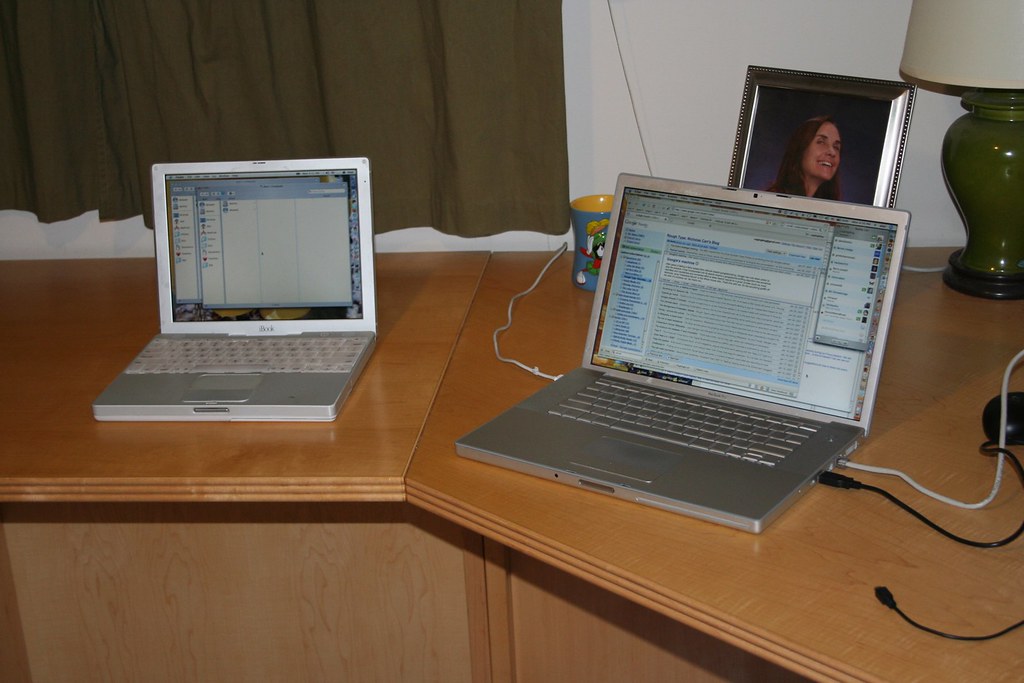

Remote work removes the commute, but it also removes the physical border between working time and personal time. Without replacing that border intentionally, the laptop can quietly spread into the sofa, kitchen and bedroom until the whole home feels like a workplace.
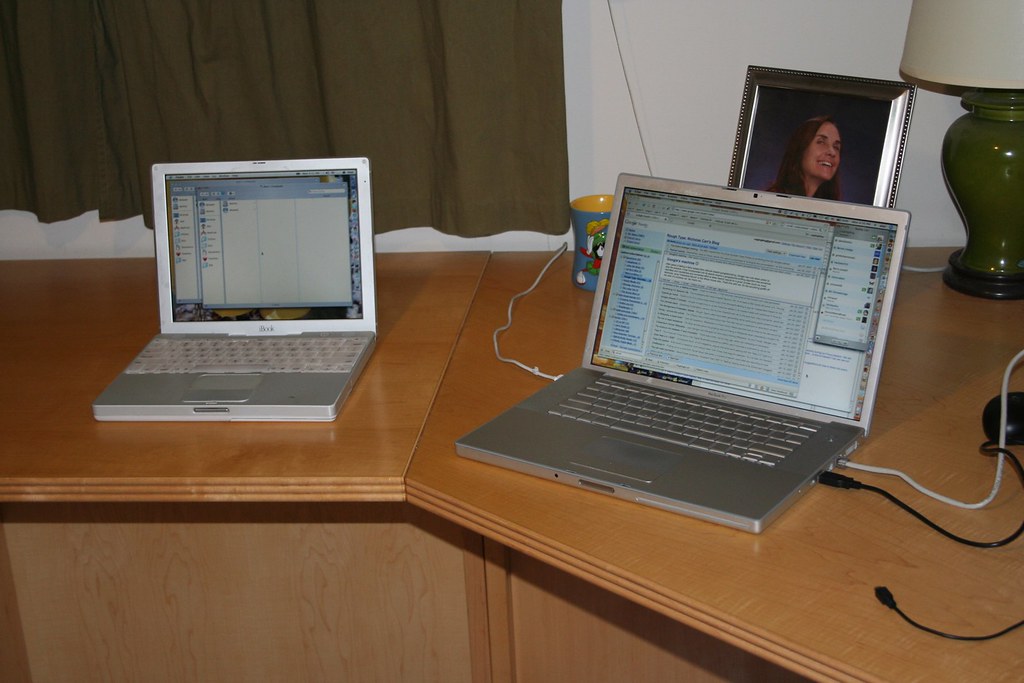
Create a dedicated work spot, even if it is only one end of a table. The important part is consistency: sit there when you work and leave it when you stop. If possible, avoid working from bed. It is comfortable for a few minutes but blurs the association between rest and work.
Keep a start ritual. It can be as simple as making coffee, opening the blinds, checking the day’s priorities and putting the phone away. A repeated sequence tells your brain that the workday has started. An end ritual is just as useful: close programs, write tomorrow’s first task and put the laptop away.
Dress for comfort, but make some distinction between sleeping clothes and working clothes. You do not need an office outfit; changing clothes simply marks a transition.
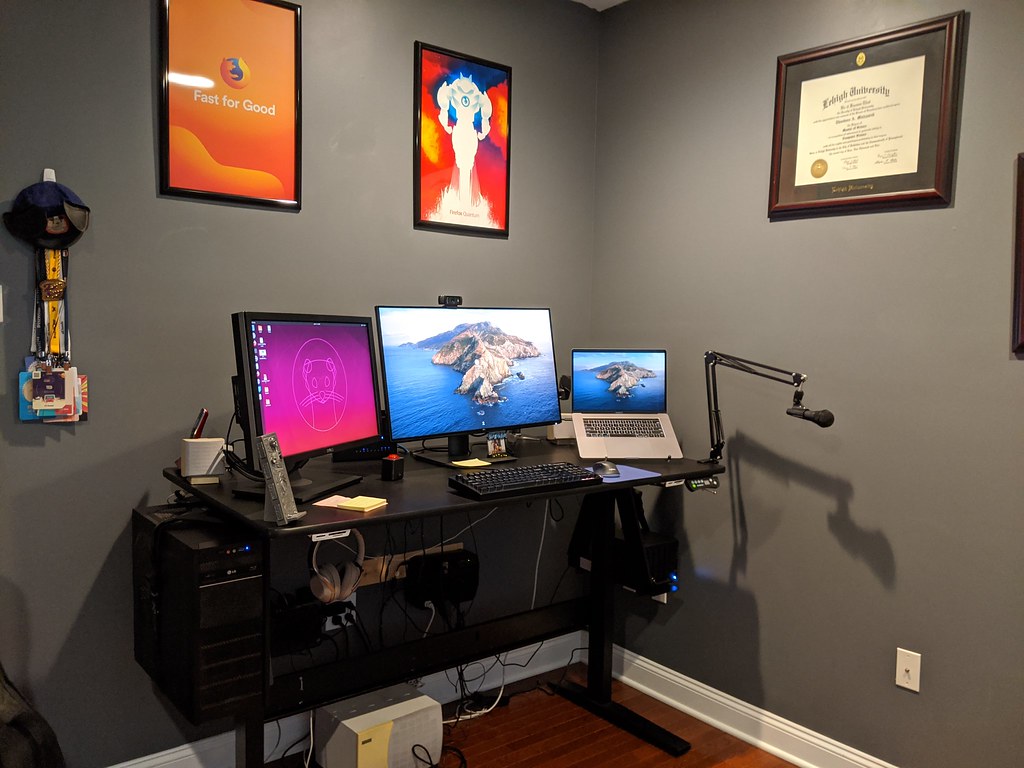
Plan breaks before you feel desperate for one. Stand up, move, refill water, look out of a window or step outside. Short breaks make it easier to maintain attention and reduce the temptation to turn a five-minute pause into forty minutes of scrolling.
Communication also needs structure. Colleagues cannot see whether you are concentrating, away from the desk or available. Use status indicators, shared calendars and clear response expectations instead of remaining permanently online “just in case.”
Protect social contact outside work. An office supplies casual conversation automatically; a home office does not. Schedule lunch with someone, call a friend, go to a class or simply work from another location occasionally if that helps.
Most importantly, stop at a recognizable time. Remote work becomes exhausting when availability replaces working hours. A home office should make work easier to fit into life, not make life disappear into work.