
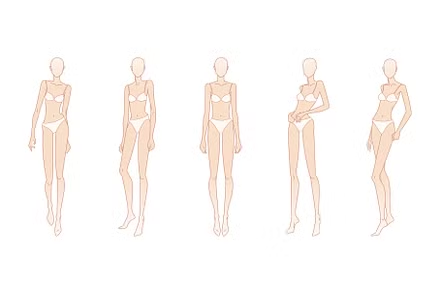

Personality quizzes have always loved the body. Palm lines supposedly reveal destiny, face shapes are said to predict temperament, and social-media graphics regularly claim that the way you sit, walk, or cross your arms exposes hidden traits. One popular version says the shape and alignment of your legs can reveal whether you are confident, romantic, independent, cautious, or impulsive.
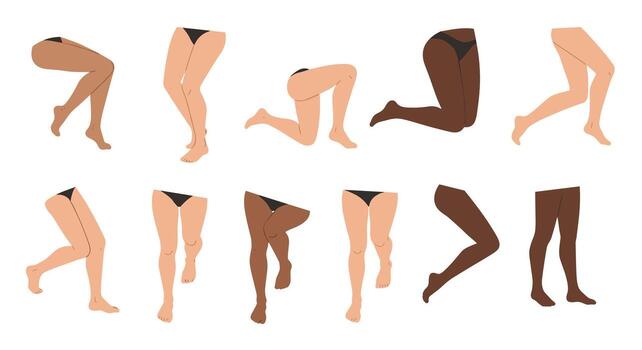
It is entertaining, but it is not a scientifically established personality test. Leg shape is primarily influenced by bone structure, joint alignment, muscle, body composition, genetics, age, and sometimes medical factors. There is no credible evidence that the distance between your knees or ankles can diagnose your character. With that disclaimer in place, the typology can still be enjoyed for what it is: a playful self-reflection exercise.
The first commonly described type is “straight” alignment, where the legs appear relatively parallel from the thighs through the knees and ankles. Popular personality readings often associate this shape with balance and consistency. The stereotype says people in this group prefer stable plans, communicate directly, and dislike unnecessary drama. They may be seen as dependable friends who value routine but are willing to take responsibility when circumstances change.
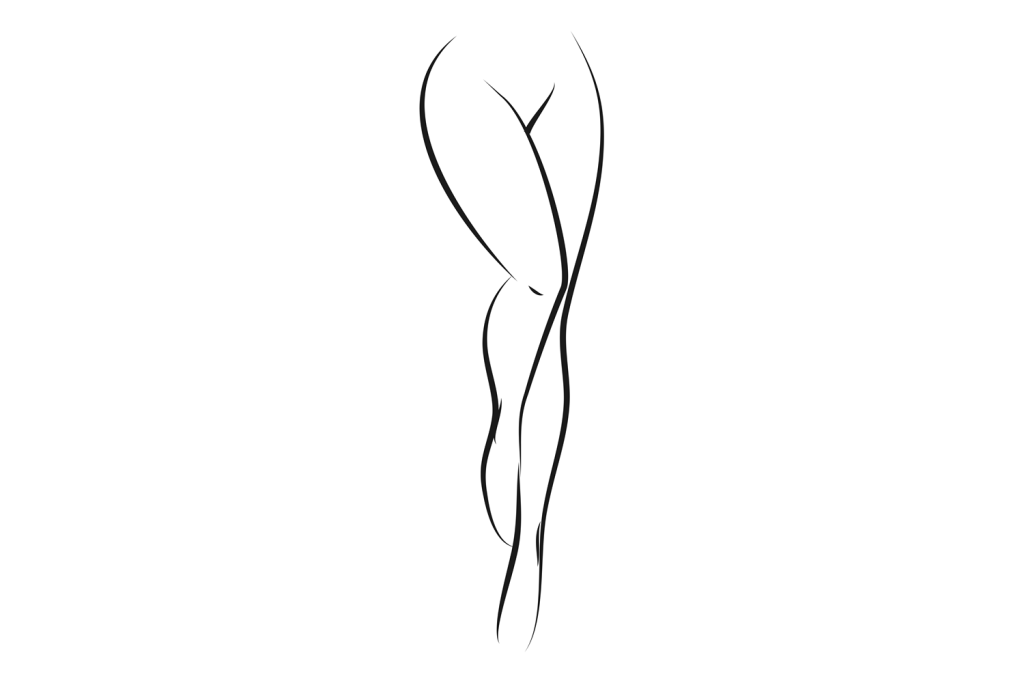
The second type is often described as legs that come close together at the knees while the lower legs angle slightly outward. Internet personality lists sometimes link this silhouette with sensitivity and imagination. According to the playful reading, these people notice small details, think deeply about relationships, and may spend more time processing emotions before talking about them. They are portrayed as warm but selective about trust.
A third category describes the opposite visual pattern: a wider space near the knees with the lower legs appearing closer toward the ankles. In personality-quiz language, this type is often presented as independent, energetic, and resistant to being controlled. The person is supposedly comfortable making decisions quickly and may prefer learning through experience rather than through long periods of planning.
Another version focuses less on alignment and more on muscularity or stance. Strong-looking legs are sometimes associated with determination and action. The story goes that these people are practical, competitive, and more comfortable solving problems than discussing them endlessly. Again, this is a cultural stereotype rather than a biological truth, but it can feel convincing because many people already associate physical strength with psychological confidence.
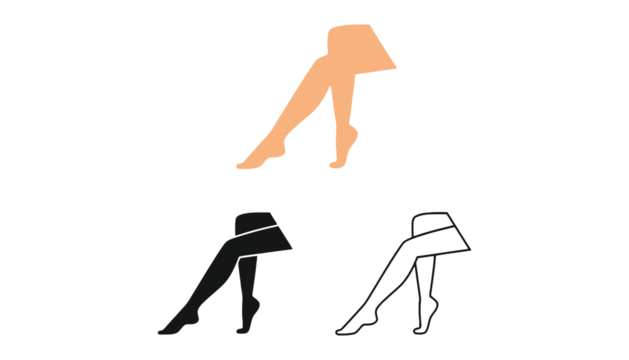
Then there is the “soft or rounded” category, which online quizzes often link with empathy, creativity, and a preference for comfort. These descriptions tend to cast the person as socially intuitive, affectionate, and good at creating a relaxed atmosphere. The flattering language is part of why such quizzes are easy to enjoy: almost every category is written so that readers can recognize something positive in themselves.
Why do these personality tests feel accurate even when the underlying claim is weak? One reason is the Barnum effect, the tendency to accept broad, generally positive statements as personally specific. A description such as “You value independence but also need reassurance from people you trust” can apply to a huge percentage of adults. If it appears beneath an image that resembles your legs, the match can feel more meaningful than it really is.
Confirmation bias adds another layer. If a quiz says you are spontaneous and you remember three impulsive trips, the result feels correct. You may not think about the dozens of times you planned carefully. People naturally collect evidence that supports an appealing story and overlook evidence that contradicts it.
There is also a social reason these quizzes persist: they create low-stakes conversation. Friends compare categories, couples joke about whether the description fits, and people use the prompt to talk about themselves. In that setting, the quiz does not need scientific power to be useful. It functions more like a conversation starter than a psychological assessment.
The line becomes important when appearance-based claims are treated as facts. Personality cannot be reliably read from leg shape, and physical alignment should not be used to judge intelligence, morality, confidence, sexuality, health, or compatibility. If someone has pain, unusual joint alignment, or mobility problems, the appropriate question is medical or biomechanical, not what the shape “says” about their character.
So, should you take the leg-shape personality test? Sure, if you treat it like a horoscope at brunch. Look at the categories, pick the one that seems closest, and see whether the description sparks an interesting thought. Maybe you agree with half of it. Maybe your friends disagree completely. That contrast can be fun.
Just keep the hierarchy clear: your legs can tell you a great deal about anatomy, movement, and biomechanics. They cannot provide a validated shortcut to your personality. The most accurate part of any body-based personality quiz is usually not the shape you start with, but the conversation you have afterward about who you actually are.
There is a second reason to keep the game light: body-based personality systems can easily inherit cultural bias. A stance considered elegant in one place may be read as timid somewhere else, and ideals of leg shape have changed across eras and regions. That makes any universal personality claim even less plausible. If a quiz feels accurate, use the feeling as a prompt to describe yourself in your own words. The self-description is meaningful; the leg geometry that triggered it probably is not. That distinction keeps the quiz entertaining without turning a harmless visual category into a judgment about who someone is, how they behave, or what they are capable of.