


Few body features have collected as many myths as women’s hips. Depending on who you ask, wide hips supposedly signal fertility, health, personality, or destiny. Most of that is folklore layered on top of some fairly ordinary anatomy. Here’s what hip width does — and doesn’t — actually mean.
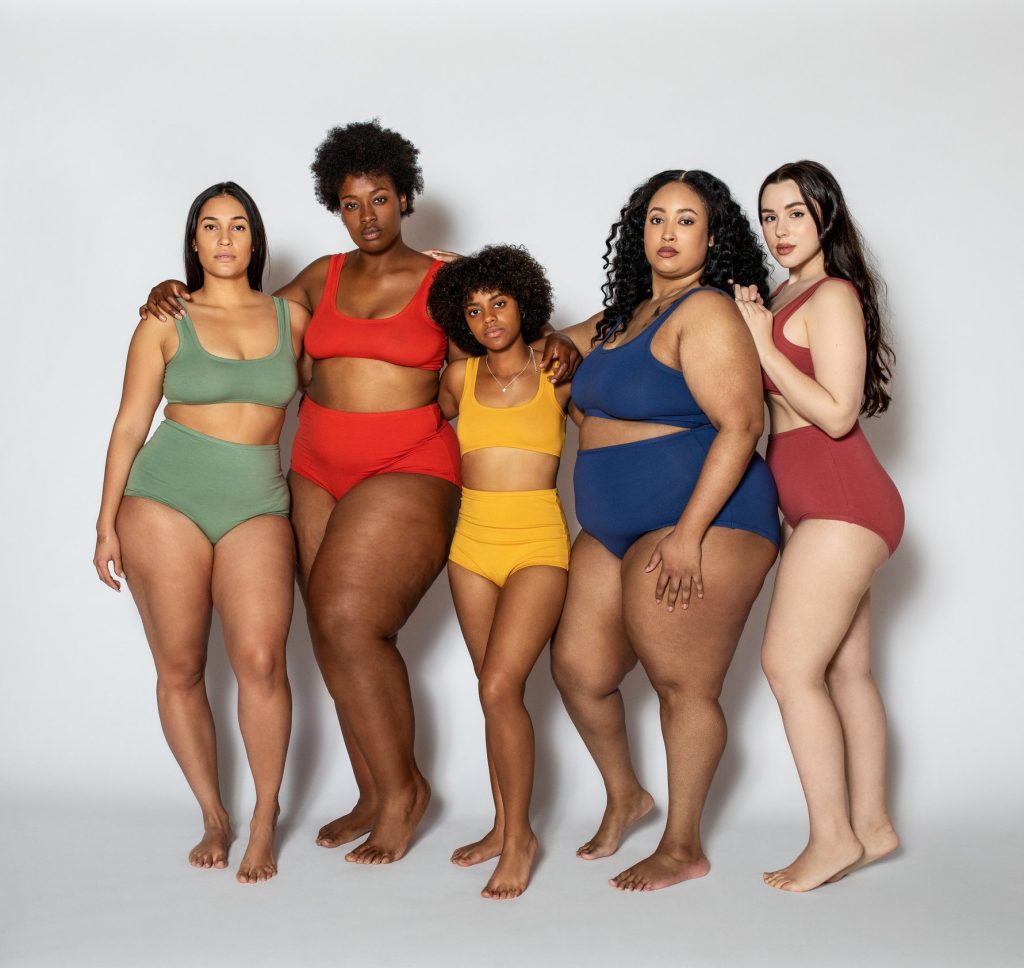
A quick, non-mystical breakdown.
First, what “wide hips” really is
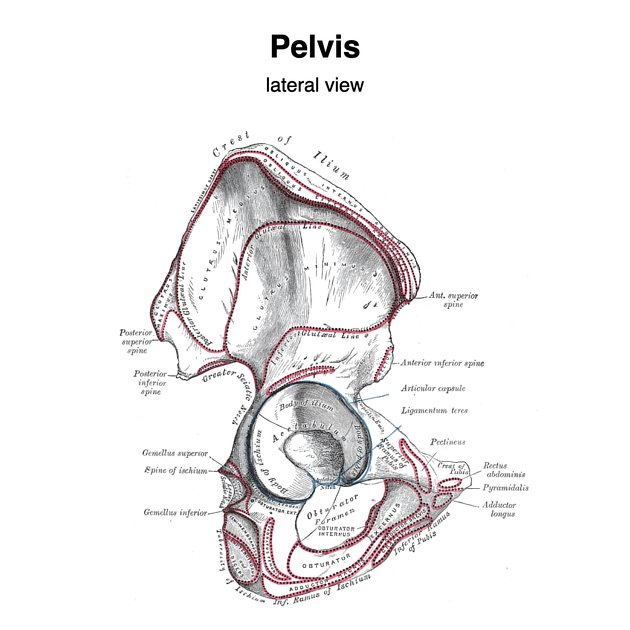
Hip width is mostly a matter of skeletal structure — the shape and width of the pelvis — plus where the body naturally stores fat and how muscle sits around it. It’s set largely by genetics. Two people at the same weight can have very different hip widths purely because of bone shape.
The fertility claim, examined

There is a long-standing cultural idea linking wider hips to childbearing. While pelvic dimensions are relevant to childbirth in a mechanical sense, the popular notion that hip width reliably predicts fertility is far more folklore than fact. Fertility depends on many factors that have nothing to do with a silhouette.
What it does not tell you
Hip width says nothing about a person’s health habits, discipline, personality, or worth. Body-based personality reading is entertainment, not science — the same caution that applies to face-shape or leg-shape “typologies.” A measurement is not a character reference.
The one health nuance worth knowing

Health researchers do sometimes look at where fat is distributed — for example waist-to-hip ratios — as one rough indicator among many. But that’s about distribution patterns studied across populations, not a verdict on any individual based on how wide their hips look.
So what do wide hips “mean”? Mostly that a person inherited a particular pelvis. They’re a normal, common variation of human anatomy — not a fortune-teller, not a fertility gauge, and certainly not a personality test. This is general information, not medical advice; for anything health-specific, a doctor is the right source.