

Fame tends to compress a career into a few recognizable images: the hit movie, the viral performance, the championship belt, the magazine cover. What disappears is the awkward beginning, when a future star is still auditioning, taking minor jobs, working small stages, or trying to be noticed in an industry full of other hopefuls. Philippine entertainment has no shortage of dramatic before-and-after stories. These ten celebrities came from very different starting points, but each built a public identity that looks far more inevitable in hindsight than it did at the beginning.
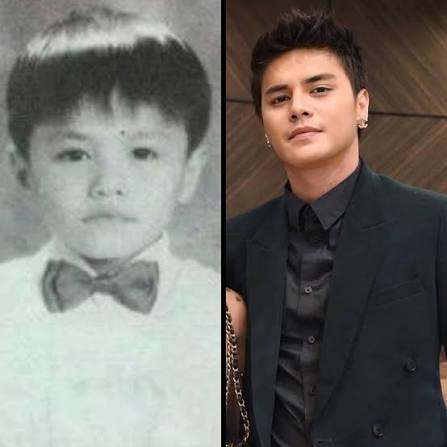
1. Lea Salonga
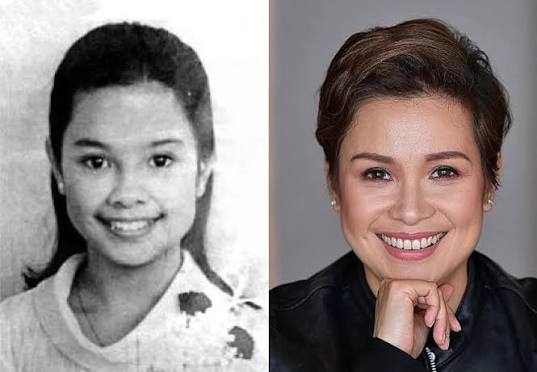
Long before becoming an international theater icon, Lea Salonga was already working as a child performer in the Philippines. Her career changed permanently when she won the role of Kim in Miss Saigon, a performance that brought major international awards and eventually led to Broadway, concerts, television work, and beloved singing roles for Disney animation. The contrast is striking: a young local performer grew into one of the most internationally recognized Filipino voices in musical theater.
2. Manny Pacquiao

Pacquiao’s story began far from celebrity culture. He has often spoken about poverty, leaving home young, and fighting for very small purses. Boxing turned him into a global sports figure, and his public life later expanded into business, politics, and entertainment. Whatever people think of his later career choices, the distance between his early circumstances and worldwide fame is enormous.
3. Anne Curtis

Anne Curtis entered entertainment as a child and teenager, gradually moving through supporting roles, television dramas, hosting, films, music, and brand work. Today she is one of the Philippines’ most recognizable media personalities. Her evolution shows how longevity often depends on expanding beyond the category that first made someone famous.
4. Vice Ganda

Before mainstream television, Vice Ganda developed a career in Manila’s comedy-bar scene. That background shaped the fast improvisation, audience interaction, and sharp timing that later became central to television hosting and film comedy. The leap from live comedy venues to national celebrity was not a reinvention so much as a much larger stage for skills built in smaller rooms.
5. Kathryn Bernardo

Kathryn began acting as a child, appearing in television roles before becoming one of the defining stars of her generation. Her later career has included major box-office films, endorsements, and more mature dramatic work. Looking back at her early performances makes the progression especially visible: the camera confidence was learned over years rather than appearing fully formed.
6. Alden Richards

Before becoming a major television leading man, Alden Richards went through the familiar cycle of modeling work, auditions, and smaller acting opportunities. His breakout popularity eventually pushed him into hosting, music, endorsements, and blockbuster film work. His career is a reminder that “overnight success” usually contains a long period when almost nobody is watching.
7. Marian Rivera
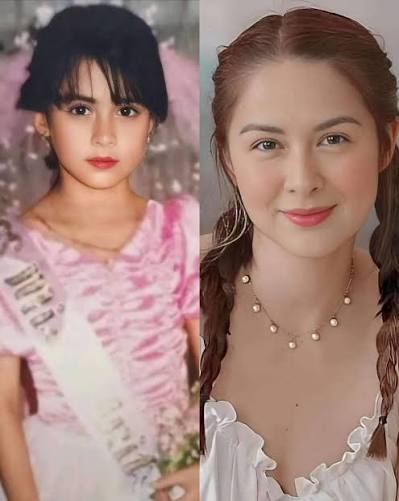
Marian Rivera worked in modeling and commercials before becoming a television star. Her breakthrough roles established her as a leading actress, and she later expanded into hosting, endorsements, and entrepreneurial projects. Early promotional images show a young performer learning how to work with the camera; later appearances show a far more controlled, polished public image.
8. Coco Martin

Coco Martin’s path was unusually important for Philippine independent cinema. He took roles in indie films before becoming a mainstream television superstar. That background gave him a reputation for intense dramatic work and helped distinguish him once he moved into mass-audience projects. His “then and now” story is less about changing appearance than changing scale: from relatively small productions to some of the country’s biggest television franchises.
9. Heart Evangelista

Heart Evangelista entered entertainment as a teenager, becoming known through television and film before gradually developing a second identity in fashion and art. Today her public image is strongly connected to luxury fashion, international events, painting, and design. The transformation is one of branding as much as career: a teen screen personality became a global-fashion regular with a carefully built visual language.
10. Pia Wurtzbach

Before Miss Universe turned her into an international name, Pia Wurtzbach worked in acting, modeling, and pageantry, including setbacks that would have ended the story for many contestants. Her eventual 2015 Miss Universe win became one of the most memorable moments in modern pageant history. Since then, she has expanded into advocacy, fashion, hosting, and global brand work.
What connects these ten stories is not a single formula. Some started as children, some in live performance, some in sports, some in modeling, and some in independent film. Their early photos are interesting because they reveal experimentation: different hairstyles, less polished styling, smaller sets, simpler costumes, and a visible search for identity.
The “now” image is usually the result of infrastructure. Stylists, managers, photographers, trainers, publicists, and years of camera experience all change how a celebrity appears. That does not mean the early version was less authentic. It simply had fewer resources and less experience behind it.
There is also a tendency to treat before-and-after celebrity stories as proof of physical transformation. That misses the more interesting change. The biggest difference is often confidence and control. A star who once waited for an audition now chooses projects. Someone who once borrowed clothes for a shoot may now sit front row at fashion week. A performer who once worked for a tiny crowd may now speak to millions.
That is why the best “then and now” comparisons are not about judging who became more attractive. They are about seeing time, work, and opportunity become visible. The early images capture possibility; the later ones show what happened after years of repetition, rejection, luck, and persistence turned that possibility into a career.