
Zone cleaning replaces the vague task “clean the house” with a series of smaller areas that can be finished one at a time. The method is useful when you are busy because it gives each session a clear boundary.
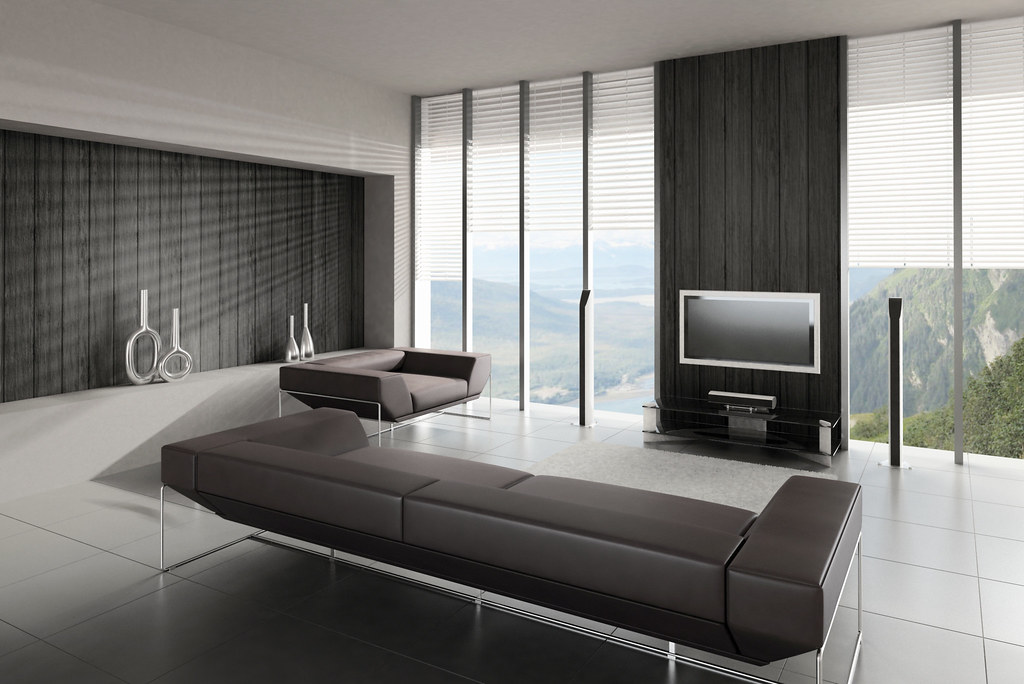
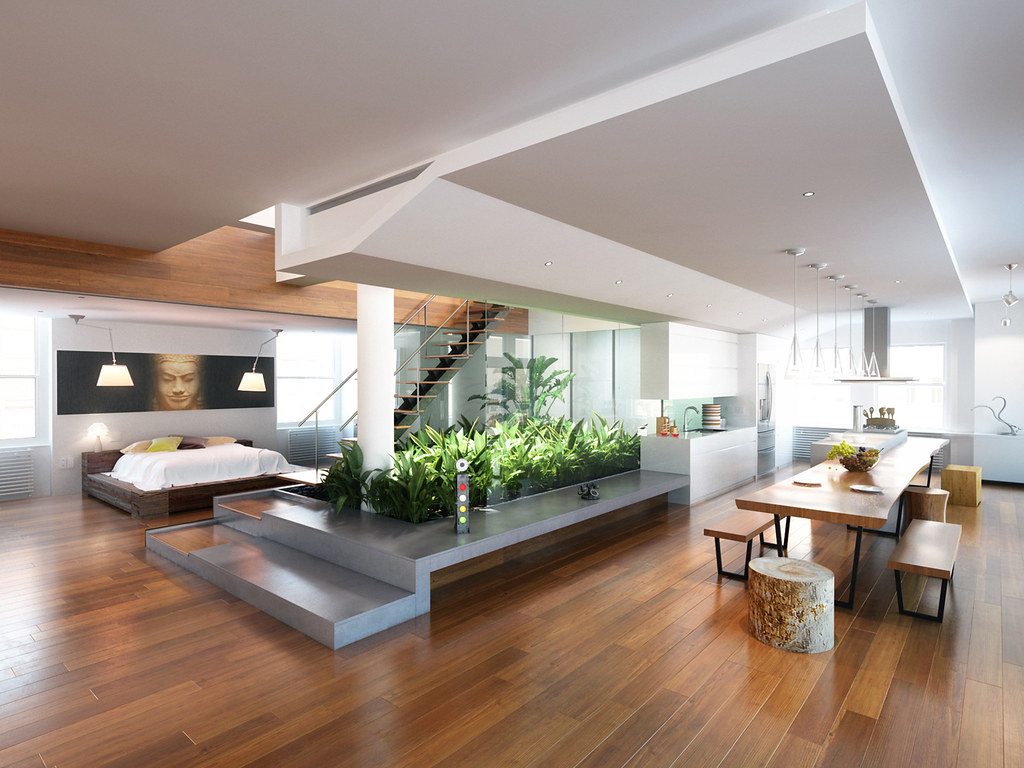
Start by dividing the home according to how you actually use it. A kitchen can be one zone, but if it is large or heavily used, it may make more sense to separate the cooking area from the dining area. A living room with a permanent desk can also become two zones: leisure and work.
Once the zones are defined, list the jobs that belong to each one. Some are frequent: wiping the counter, clearing a table, vacuuming the floor. Others are occasional: cleaning inside cabinets, washing light fixtures, sorting a drawer or moving furniture to vacuum underneath.
Do not try to complete the entire list every time. Choose one zone for the day or week and decide how much time you can realistically spend there. Twenty focused minutes in one area often produces a more satisfying result than twenty minutes spent moving randomly between rooms.
Work in a consistent order. First remove objects that belong somewhere else. Next deal with clutter inside the zone. Then dust and clean surfaces, and finish with the floor. This sequence prevents you from repeatedly cleaning the same place.
A “return basket” can make the process faster. Put items that belong in other rooms into the basket while you work. When the zone is finished, carry the basket around the home and return everything at once. That prevents constant trips that break concentration.
The system becomes especially effective when deep-cleaning jobs rotate. One week you might clean kitchen cabinet fronts; another week, the refrigerator shelves. The home does not need to be deep-cleaned everywhere on the same day.
Keep the zones flexible. If one area consistently takes twice as long as the others, split it. If another rarely gets dirty, combine it with a neighboring space. The method should reduce friction, not become another complicated household rulebook.